Fifty Years Behind the Same Lens: The Shop That Shot Every Wedding in Town
Photo: Phil Catterall, CC BY-SA 2.0, via Wikimedia Commons
The sign out front still reads the same as it did in 1974, when Ray Kowalski opened the doors of Kowalski Camera with a secondhand enlarger and a habit of undercharging. The shop sits on Main Street in a town of about 4,000 people, between a hardware store and a diner that has changed hands four times. The shop has changed hands zero. Ray's daughter Nina runs it now, and her son does the weekend weddings.
Between them, the Kowalskis have shot an estimated 2,800 weddings. In this town, that's not a number. That's the town.
Everyone's First Dance, Twice Over
Here's how deep it goes: Nina photographed a bride in 1996 whose parents she'd photographed getting married in 1971. Last spring, she shot that bride's daughter's wedding. Three generations, same backdrop of buckeye trees, same borrowed pews at St. Mary's, same nervous groom pacing behind the fellowship hall.
'I don't need a shot list,' Nina says. 'I know where the light comes through the church windows at 2 p.m. in June. I know which grandmother is going to cry first.'
That knowledge is the thing no algorithm can replicate. A town photographer isn't hired for technical skill alone — she's hired because she was at your parents' wedding, and she knows your uncle needs to be separated from the open bar before the formal portraits.
What Fifty Years of Film Reveals
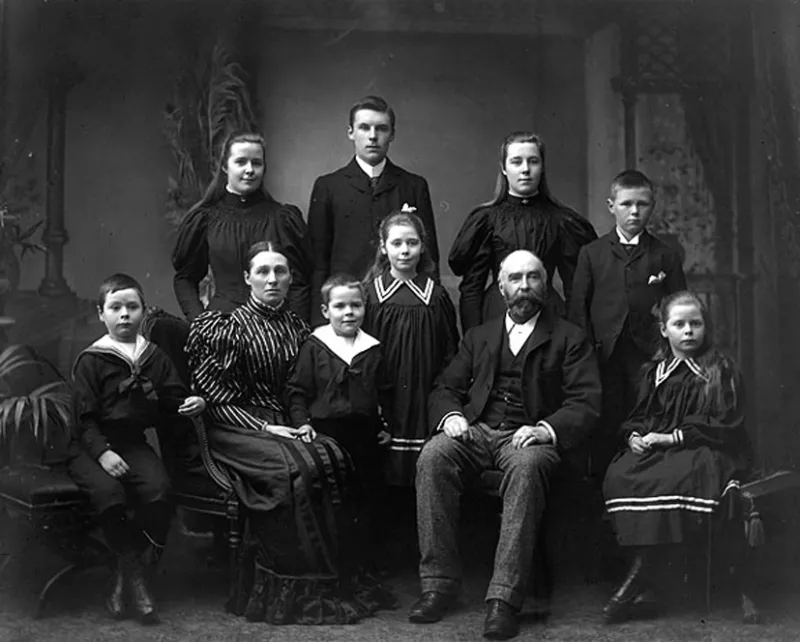
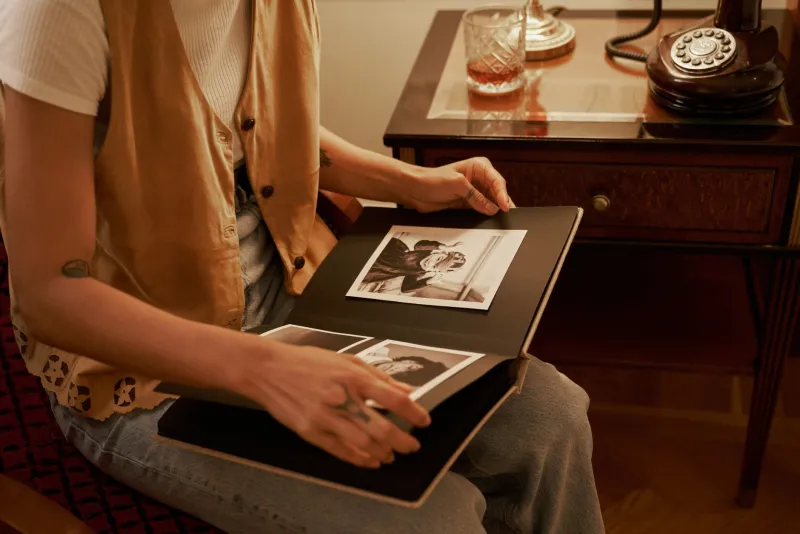
The shop's archive is the real treasure: floor-to-ceiling shelving of negatives, contact sheets, and proof books, organized by year and family name. Flipping through them is a crash course in how American life shifted while the camera stayed put.
The 1970s weddings: brown and orange everywhere, cigarette in hand, cake smashes that would horrify today's Pinterest boards. The 1980s: big hair, bigger veils, the arrival of the posed 'romantic gaze' portrait. The 1990s: the first disposable cameras on reception tables. The 2010s: the slow retreat from formality — barn venues, first looks, dogs as ring bearers.
The clothes change. The cake changes. The faces don't. Ray put it best before he passed: 'Everybody's nervous. Everybody's proud. Everybody's broke from the bar tab. That part never changes.'
The Unofficial Town Record
Ask around town and you realize the shop's archive doubles as civic history. The flood of '82 — there's a contact sheet. The mill closing in '97, the last company picnic — Nina's father shot it. The little league teams, year after year, rows of kids squinting into the sun, some of whom now own businesses on this very street.
When the town's historical society needed photos for its centennial exhibit, they didn't hire anyone. They walked one block and asked Nina.
This is the role the small-town photographer fills and the role we've mostly lost in the era of hiring whoever's available on a marketplace app: a memory-keeper with continuity. Someone who sees the whole arc, not just the single event. Someone who knows that the photo of the baby announcement matters more in year twenty than it does in year one.
The Question of Who Comes Next
Nina is candid about the future. Film processing is nearly gone. Weddings are booked through Instagram now, often by couples who live two states away and have no connection to town. Her son, who shoots weekends while working a day job in Columbus, hasn't decided if he'll take over.
But then a couple comes in — young, nervous, holding a phone with a screenshot of their grandparents' wedding photo, the one Ray took in 1980. They want a recreation. Same church, same pose, same lens if possible.
Nina pulls the negative, prints the original, and books the date. Her son will shoot it.
The lens, for the record, is the same one Ray bought in 1974. It has seen every first dance in this town for fifty years. As far as anyone can tell, it's not done yet.