Pancakes, Grocery Runs, and a Professional Behind the Camera: The Strange Rise of the Ordinary-Day Photo Session
Photo: Natalka Ukraine (baby-bear.org), CC BY 4.0, via Wikimedia Commons
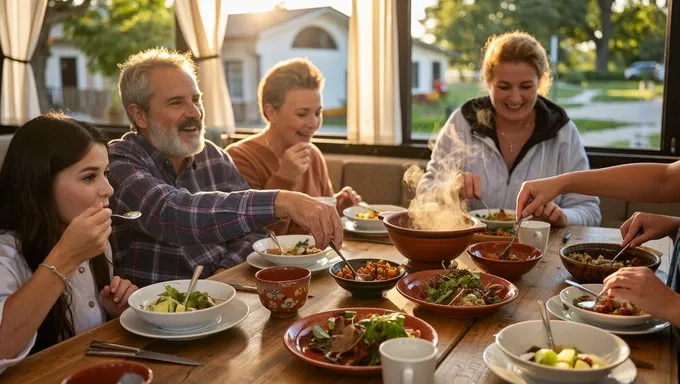
On a Saturday morning in a Denver suburb, a woman named Kate Delgado is being photographed buying eggs. Not for an ad. Not for a campaign. Just for herself — a professional photographer trails her through the farmers market, the car, and eventually her own kitchen, where her kids make pancakes with more batter on the counter than the griddle.
Delgado paid for this. Around $600, book a half day. And she'd do it again tomorrow.
The Ordinary Day, Professionally Documented
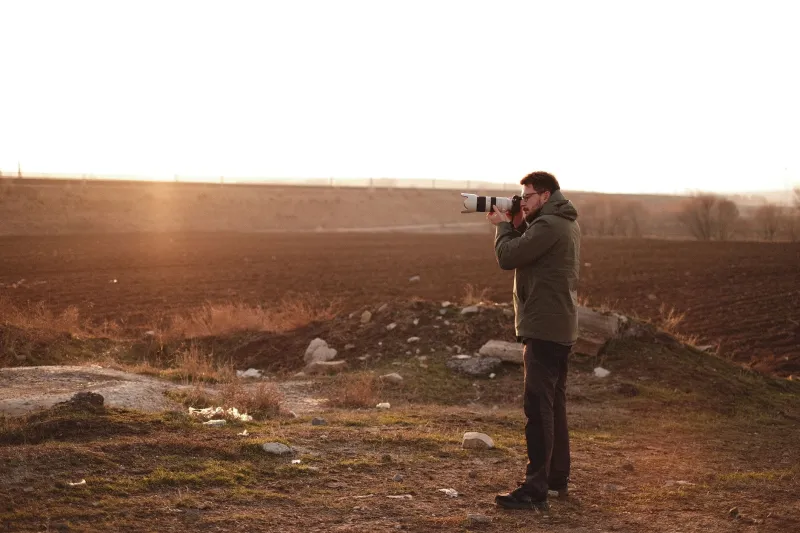
The 'day in the life' session — sometimes called documentary family photography — has quietly become one of the fastest-growing niches in the industry. The pitch is radical in its plainness: no matching outfits, no park at golden hour, no forced smiles at the lens. Instead, the photographer embeds like a silent houseguest and shoots whatever happens. School runs. Bedhead. The argument over screen time. The dog stealing the toast.
The trend took off after the pandemic, when years of missed milestones left a lot of families with gorgeous portraits of occasions and nothing that showed what daily life actually felt like. Clients describe the sessions as a corrective — proof of the era of their lives that never gets its own photo.
Why We Suddenly Want Our Errands on Camera
The psychology here is worth sitting with. Family photo traditions have always been about performance — the annual portrait says 'we are doing fine.' The ordinary-day session says something different: 'this is what fine actually looks like.'
There's also a generational wrinkle. Parents today have thousands of photos of their kids and very few with themselves in the frame. They're always the ones holding the phone. Hiring an outsider guarantees the parent exists in the record too — not posed, but present, mid-chaos, coffee in hand.
And there's the memory argument, which anyone who's raised a child knows by heart: the days are long and the years are short. Nobody frames the school pickup. But ask any adult what they miss most about their childhood home, and it's rarely the holidays. It's the ordinary hum of a Tuesday.
Can a Stranger Really Capture Closeness?
The skeptic's question is fair: doesn't the presence of a hired camera ruin the authenticity it's chasing?
Working documentary photographers say the opposite happens — if you survive the first hour. The opening of a session is always performative. Families tidy up. Kids act out for the guest. Then the photographer stops being interesting, the parents stop directing, and the real texture of the household reasserts itself. Most shooters describe a 'collapse' moment, usually around hour two, when everyone forgets. That's when the work happens.
In fact, some argue an outsider catches things family members can't. A parent photographing their own family edits constantly — steering, staging, deleting. A stranger has no stake in how the morning looks. They just witness it. The result tends to show the family's actual dynamics: who clings to whom, who retreats to the couch, the tiny negotiations of a household that its own members have stopped noticing.
Tips If You're Thinking of Booking One
For photographers curious about the genre, or families considering a session, the working playbook is consistent:
- Shoot chronically, not selectively. Don't wait for the perfect moment; the genre's power is accumulation.
- Ban the pose entirely. Even one directed shot resets the family's self-consciousness.
- Use available light and wide lenses. Kitchens and minivans are tight. F/2.8 and 35mm will save you.
- Talk to the kids, not about them. Rapport with children determines everything.
- For clients: pick a real day. Not a day you've cleaned for. The pancake batter belongs on the counter.
Whether this is a lasting shift or a passing trend, something real is underneath it. After decades of photographing our best moments, we've discovered the camera can be pointed at the truest ones — the ones that don't know they're being remembered.
Kate Delgado put it simply, flipping through her gallery a week later, pausing on a shot of her youngest mid-tantrum in the cereal aisle. 'I cried,' she admitted. 'Not because it's pretty. Because it's Tuesday. And someday I'm going to miss this Tuesday.'