The Best Shot I Ever Took Was Under a Gas Station Awning at Noon
Every photographer has a version of this story.
You planned for golden hour. You had the location scouted, the settings dialed in, the whole session built around that forty-five-minute window of warm, flattering, forgiving light. And then — clouds. Or the session ran long. Or the subject was late and now it's 12:15 PM and the sun is directly overhead doing its absolute worst.
And somehow, in the scramble to salvage something, you made one of your best images.
That's not a coincidence. That's what happens when you stop relying on the light to do your emotional work for you.
The Golden Hour Industrial Complex
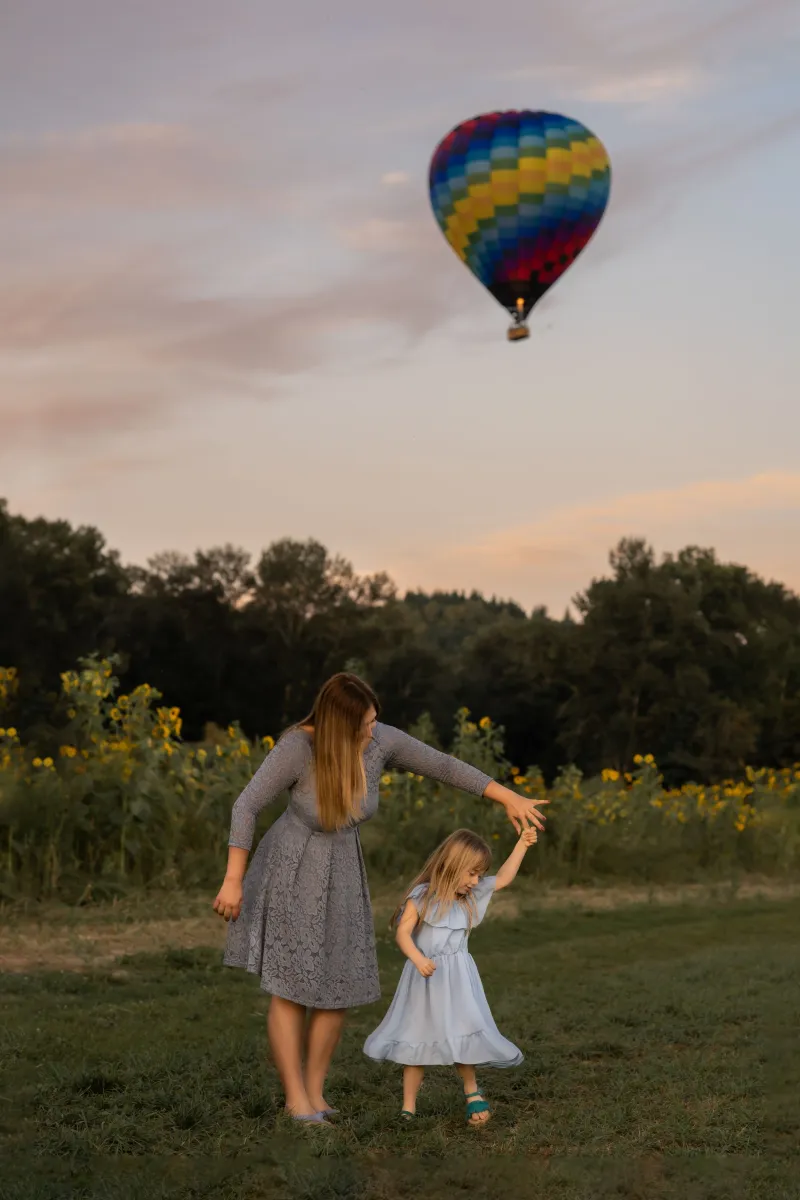
Let's be honest about what golden hour has become in the age of Instagram and Pinterest boards. It's not just a lighting condition anymore — it's an aesthetic shorthand. Warm tones, long shadows, lens flare, that gauzy glow that makes everything look like a memory before it's even finished happening.
It's beautiful. Nobody's disputing that.
But here's the problem: golden hour is so beautiful that it can carry a mediocre photograph. The light does so much of the emotional lifting that photographers sometimes stop working as hard on the things that actually make an image matter — composition, connection, timing, story. Slap a warm filter on a couple looking vaguely in the same direction and people will call it romantic. The light launders the lack of depth.
This is not a knock on photographers who love golden hour. It's a knock on the cultural assumption that better light equals better photography.
What Hard Light Actually Does
Midday sun is brutal and unforgiving and genuinely difficult to work with. It also creates shadows that have actual weight. It carves faces into something sculptural. It makes sweat visible and squinting real and discomfort legible in a frame.
Think about some of the most iconic documentary and street photography in American visual culture — a lot of it was shot in conditions that no portrait photographer would choose. Harsh light over a Detroit block in summer. Fluorescent wash inside a diner off Route 66. The flat gray of a November sky over a Rust Belt town. Those images aren't memorable in spite of the light. They're memorable partly because the light doesn't let anything hide.
Harsh light tells the truth. And telling the truth is what we're here for.
Overcast Days and the Gift of Evenness
On the opposite end of the "bad light" spectrum, overcast skies get dismissed as flat and boring. And sure, if you're trying to shoot a landscape that depends on depth and drama, clouds are your enemy.
But for portraits? For documentary work? Overcast is a soft box the size of the entire sky.
The light wraps evenly. Shadows are soft. Your subject's eyes aren't squinting. You're not chasing the sun across the yard or repositioning every three minutes as the light shifts. You can slow down. You can actually pay attention to the person in front of you.
Some of the most emotionally intimate portrait work happens on gray days, because the absence of atmospheric spectacle forces both the photographer and the subject to bring something else. The story can't lean on the sky. It has to come from the people.
Dim Rooms and What They Ask of You
Indoor available light is its own conversation. Dim living rooms, restaurant windows, hospital waiting areas — these spaces are rarely lit for photography. They're lit for humans, which means mixed sources, weird color temperatures, and light levels that make your camera work hard.
But those are also the spaces where real life happens.
A family gathered around a kitchen table the night before a funeral. A teenager doing homework under a single lamp. A grandmother watching television in the blue glow of a winter afternoon. You can't drag a lighting kit into those moments without changing them. The only way to capture them honestly is to work with what's there.
That constraint forces ingenuity. You think harder about where you're standing, which angle catches the most available light, how slow you can go without losing sharpness. And in all that problem-solving, you stop overthinking the emotional content and just let it be what it is.
Constraint creates presence. Presence creates photographs worth keeping.
Reframing "Bad" as "Different"
The language matters here. When we call certain lighting conditions "bad," we're measuring them against a standard of what looks most flattering or most immediately pleasing. That's a fine standard for certain kinds of commercial work. It's a limiting standard for storytelling.
A more useful question than "is this good light?" is "what does this light make true?"
Harsh noon sun makes heat true. It makes effort true. It makes the reality of being outside in July in Texas true in a way that golden hour, for all its beauty, doesn't.
Flat gray light makes quietness true. It makes introspection true. It makes the kind of day where nothing dramatic happens — which is most days, for most people — feel worth documenting.
Dim indoor light makes intimacy true. It makes the private scale of ordinary life true.
None of that is bad. It's just honest.
The Practical Case for Shooting Anyway
Beyond the philosophy, there's a simple practical argument for embracing imperfect light: the moment doesn't wait.
Life doesn't schedule itself around golden hour. Kids don't save their best laugh for the last forty-five minutes before sunset. Grief doesn't pause for better conditions. If you've built your practice around waiting for ideal light, you're going to miss a lot of what actually matters.
The photographers who develop real versatility — who can make a meaningful image at 2 PM in August or inside a dim church hall in January — are the ones who stay curious when the conditions get hard. They treat every lighting challenge as a prompt rather than a problem.
At Simply Be Photo, that's the whole ethos, really. The light you have is part of the story you're telling. Work with it. Let it be imperfect. Let the imperfection be honest.
Because the best photographs aren't the ones where everything was perfect.
They're the ones where something was real.