The Raw Feed: Why Real Americans Are Done With the Highlight Reel
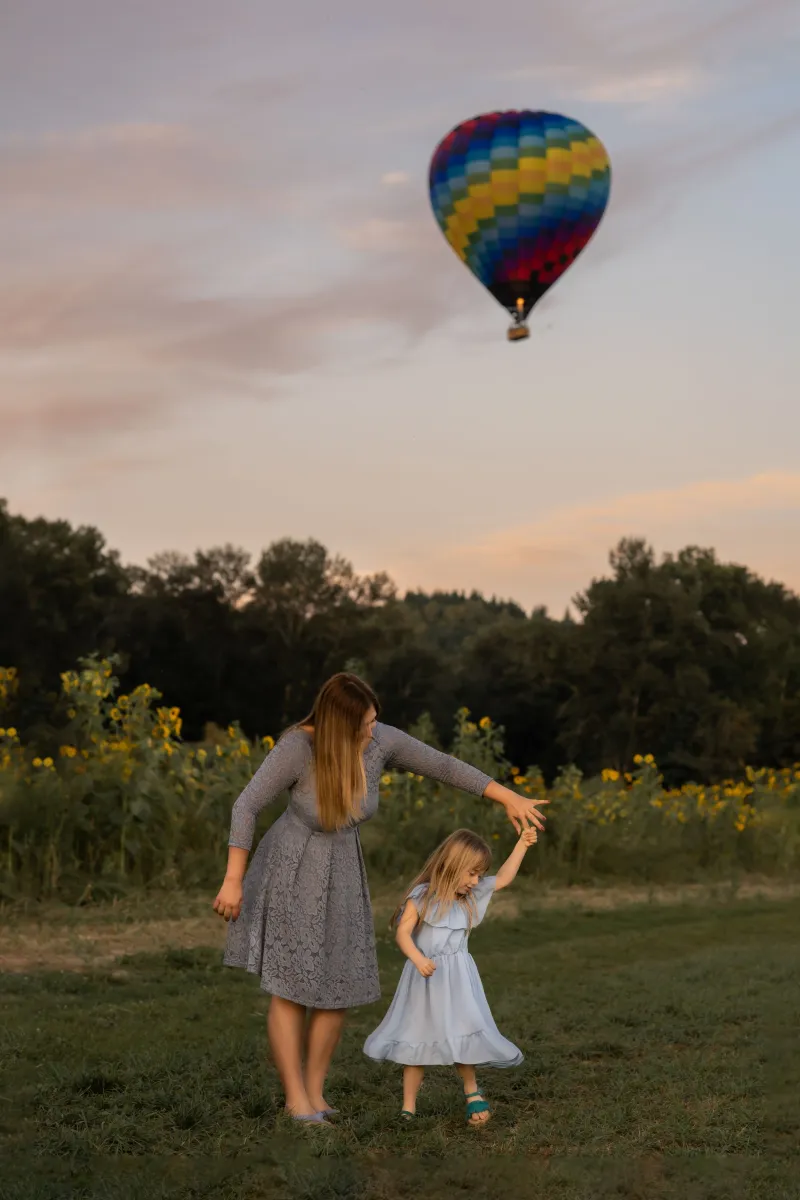
Photo: candid natural light portrait unedited real person authentic photography, via images-pw.pixieset.com
For a while there, it seemed like the entire internet had agreed on a single aesthetic: smooth skin, perfect exposure, colors pushed just a little past reality, and backgrounds blurred into oblivion. Scroll any major platform circa 2018 and you'd see it everywhere — a kind of visual monoculture where everything looked aspirational, curated, and quietly exhausting.
That era isn't over. But it's cracking.
Across social media, advertising, and personal storytelling, something genuinely interesting is happening. Americans are pushing back against the overly edited image — and the demand for photography that feels honest, minimal, and real is growing fast enough that brands, agencies, and individual creators are all paying attention.
What Changed, and Why Now
The shift didn't happen overnight, and it doesn't have a single cause. It's more like a slow accumulation of fatigue.
After years of algorithmically optimized content, people started recognizing the formula. The influencer poses, the preset filters, the careful lighting setups designed to look effortless — audiences got fluent in the language of performed authenticity, and once you can see the performance, it's hard to unsee it.
The pandemic accelerated things considerably. When the entire country was suddenly living on video calls and watching their neighbors through unfiltered home office setups, the gap between polished content and actual life became almost comically obvious. People were tired, stressed, and living in reality. Content that kept pretending otherwise started to feel not just unrealistic but actively dishonest.
"There was this moment where I looked at my own feed and didn't recognize my life in it," says one lifestyle photographer based in Nashville who asked to remain unnamed. "Everything looked beautiful and nothing looked true. I started shooting differently after that."
The Numbers Back It Up
This isn't just anecdotal. Research from several marketing and consumer insight firms over the past few years has consistently found that US audiences — particularly younger demographics — rate authenticity as one of the top factors influencing whether they trust a brand or creator.
A 2023 survey from Stackla found that 88% of consumers say authenticity is important when deciding which brands they support. More tellingly, user-generated content — the unpolished, shot-on-an-iPhone kind — was rated as significantly more authentic than brand-produced content by a wide margin.
Brands have noticed. You can see it in how companies like Dove, Aerie, and Patagonia have leaned into less-retouched, more representative imagery. You can see it in the rise of "lo-fi" aesthetics in advertising, the deliberate use of grain and imperfect framing, the choice to show real people in real environments rather than models in fabricated ones.
The aesthetic of authenticity has become, somewhat paradoxically, a strategy. But underneath the strategy, there's a genuine cultural appetite it's responding to.
Creators Leading the Shift
Some of the most compelling voices in this conversation are photographers and content creators who made the turn away from heavy editing before it was trendy — and found that it changed not just their work but their relationship to it.
Jamila Reyes, a portrait photographer working out of Atlanta, started stripping her editing process down about four years ago after feeling increasingly disconnected from her finished images. "I was spending hours in Lightroom making these technically perfect photos and then looking at them and feeling nothing," she says. "I started asking myself: what am I actually trying to say here?"
Her answer was to get out of the way. She moved toward minimal post-processing, embraced natural and available light, and stopped retouching skin beyond basic cleanup. Her client bookings dropped briefly, then climbed back up — and the clients who found her were specifically looking for what she was offering.
"People are hungry for it," she says. "They want to see themselves. Not a version of themselves that's been smoothed out and color-graded into someone else."
That sentiment echoes across a broader creative movement. On platforms like Instagram and TikTok, accounts celebrating film photography, grain, and analog imperfections have built massive followings. The hashtag #nofilter — once used sarcastically or as a humble brag — has taken on new meaning as a genuine aesthetic declaration.
Minimalism as a Visual Language
There's a specific visual vocabulary emerging from this moment, and it's worth naming. It's not just "less editing" — it's a full philosophy of restraint.
Natural light over artificial setups. Negative space over busy compositions. Candid frames over posed ones. Real locations over constructed environments. Subjects who look like themselves rather than an idealized version.
This is, in a lot of ways, a return to documentary instincts — the idea that the photographer's job is to reveal something true rather than construct something beautiful. It's a tradition with deep roots in American photography, from the Farm Security Administration images of the Depression era to the street photography of Vivian Maier and Garry Winogrand.
What's new is the context: this aesthetic is now showing up not just in fine art photography but in brand campaigns, wedding albums, family portraits, and personal social feeds. It's going mainstream.
What This Means for Your Own Visual Story
If you're a photographer, content creator, or just someone thinking about how you present yourself visually — in a portfolio, a social feed, or even your own photo albums — the practical takeaways here are pretty straightforward.
First, audit your editing habits. Are you making adjustments that serve the image, or are you smoothing away the things that made the moment interesting in the first place? There's a difference between intentional editing and reflexive fixing.
Second, stop waiting for ideal conditions. The light you have, the location you're in, the way things actually look — that's the story. Fighting it usually just produces images that feel vague and placeless.
Third, let people be themselves. The most powerful portraits aren't the ones where everything went right. They're the ones where the subject forgot to perform and something real slipped through.
And finally, ask yourself what you're actually trying to say. Not what looks good. Not what will perform well. What's the honest thing here, and how do you get out of its way?
The shift happening in American visual culture right now isn't really about aesthetics. It's about trust. People want to feel like what they're seeing is real — and they're getting better every day at knowing when it isn't.
The photographers and creators who figure out how to be genuinely honest — not performed-honest, not strategically-authentic, but actually, simply true — are the ones this moment belongs to.