Unfilter Your Life: Why Turning Off the Presets Might Be the Most Honest Thing You Do This Year
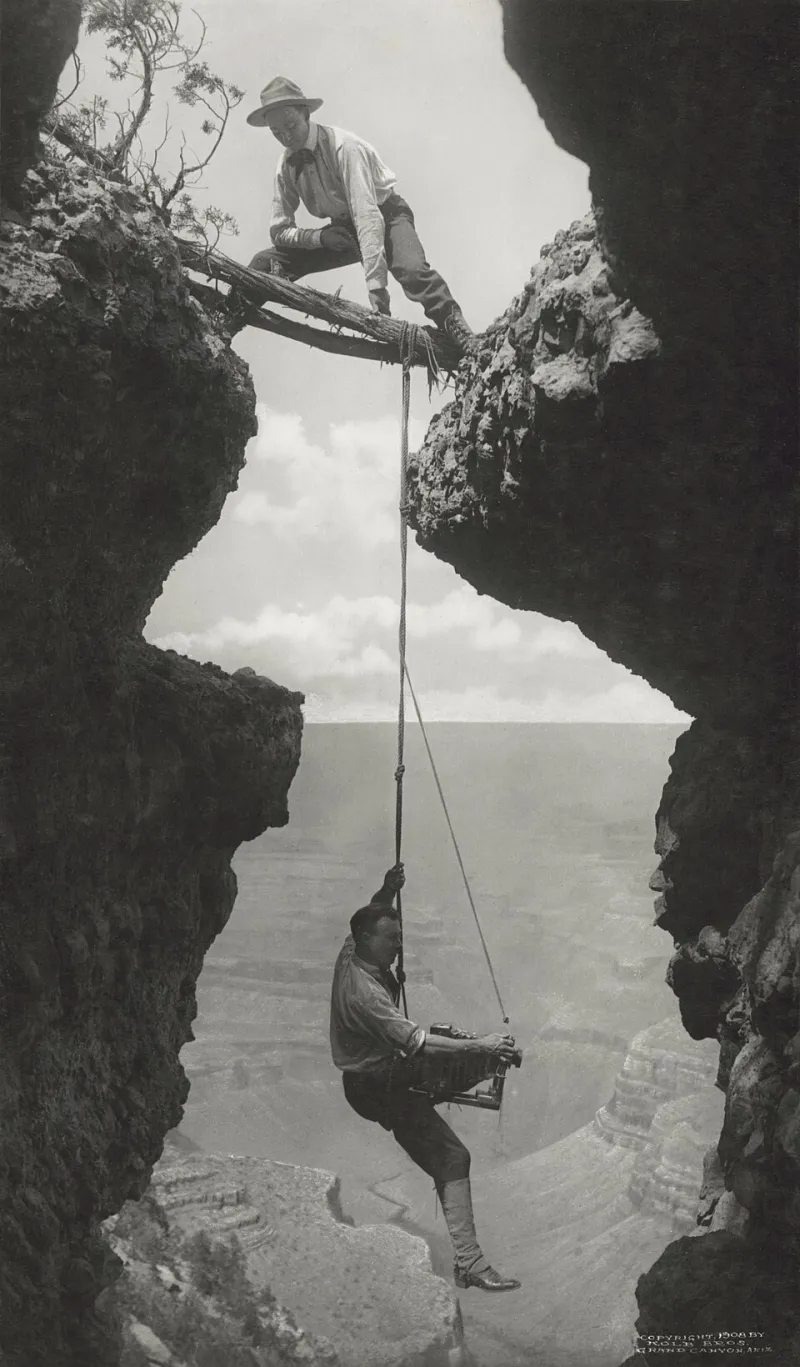
Photo: Shixart1985, CC BY 2.0, via Wikimedia Commons
There's a photo on your phone right now that doesn't quite look like the day it was taken. Maybe it's a birthday dinner, the candles glowing warm and honest — but you ran it through a moody blue-toned preset before posting, and now it looks like a scene from a Scandinavian crime drama. The food looks cold. Your grandmother looks suspicious. The moment? Somewhere in a digital ditch.
We've all been there. And according to photography educators across the country, we've been there so many times that a lot of us have genuinely forgotten what "there" actually looked like.
The Filter Habit Nobody Talks About
Smartphone cameras have become extraordinary tools. The sensor on a current flagship iPhone or Android device can pull detail out of shadows that professional photographers from twenty years ago would have wept over. The light is there. The story is there. And then — almost reflexively — we open an app and start changing things.
This isn't just about aesthetics. Photography educators and visual therapists are starting to use the phrase "filter addiction" to describe a compulsive need to alter images before they feel shareable or even real. The behavior is reinforced by social media platforms that reward a certain visual aesthetic with likes and engagement, creating a feedback loop where authenticity gets quietly penalized.
"What I see in my students — especially younger ones — is that they genuinely struggle to evaluate an unedited image," says one photography instructor who teaches mobile photography workshops across the Pacific Northwest. "They'll look at a beautiful, raw photo and say it looks 'wrong.' They've recalibrated what real looks like."
That recalibration has consequences that go beyond Instagram feeds.
Your Memories Are Getting a Makeover You Didn't Ask For
Here's the part that stings a little: photographs are how most of us remember. Not perfectly, not completely — but photos anchor memories in specific ways that pure recollection can't. The color of the light. The tired look in someone's eyes. The way a backyard looked on a random Tuesday afternoon in October.
When those photos are processed through the same three presets you apply to everything, those anchors start to drag. Your brain knows, on some level, that the teal-and-orange color grade you applied to your kid's first day of kindergarten doesn't match what you actually saw. And over time, that gap between the image and the memory creates a subtle but real sense of disconnection from your own past.
Psychologists who study visual memory have noted that people often report feeling more emotionally connected to candid, unedited family photos — even ones that are technically imperfect — than to heavily processed images of the same events. The blur, the weird exposure, the slightly unflattering angle: those imperfections are the fingerprints of a real moment.
Practical Ways to Start Shooting Honest
None of this means you have to swear off editing forever or pretend that a little color correction is a moral failing. But if you're ready to experiment with a more authentic approach, here's where to start.
Shoot in natural light whenever you can. This is the single biggest thing most people can do. American homes, backyards, and streets are full of gorgeous, honest light — especially in the early morning and the hour before sunset. You don't need to enhance it. You need to find it.
Turn off beauty mode. Almost every smartphone camera app has some version of automatic skin smoothing or face enhancement baked in. Go into your camera settings right now and find it. Turn it off. The real texture of a human face — the lines, the pores, the asymmetry — is not a flaw. It's the story.
Give yourself a "straight out of camera" challenge. For one week, post photos without any editing at all. Not even a brightness adjustment. See what happens — both to the images and to how you feel about sharing them. A lot of people discover that the discomfort they feel is less about the photos being bad and more about vulnerability.
Use editing to correct, not to transform. There's a meaningful difference between adjusting the exposure on an underlit photo so the subject is visible and slapping a cinematic preset on a backyard barbecue. One is craft. The other is costume.
Shoot more, select less. One of the reasons filters feel necessary is that we're trying to rescue photos that weren't quite right to begin with. The more you practice actually looking — at light, at composition, at the specific expression on someone's face — the less you'll feel the urge to fix things afterward.
What You Find When You Stop Hiding
The photographers and visual storytellers who have done this work — who've stripped away the presets and let the real light land — often describe a feeling of seeing again. Not just photographically, but personally. There's something that happens when you stop trying to make your life look like a mood board and start letting it look like itself.
Your grandmother's kitchen doesn't need a warm film grain overlay to be beautiful. Your dog's face in the afternoon light doesn't need a fade. Your own face — tired or laughing or somewhere complicated in between — doesn't need smoothing.
The camera, when you let it, captures something true. The moment before the filter, before the preset, before the careful curation — that's where the real story lives. And that story is worth keeping exactly as it is.